
TL;DR:
- Thorough exterior and interior preparations are essential to ensure a smooth roofing project and prevent damage or delays. Homeowners should clear the yard, protect delicate items inside, and confirm logistics and scope details with their contractor before installation begins. Proper planning, including communication and post-installation inspection, minimizes surprises and guarantees a successful roof replacement.
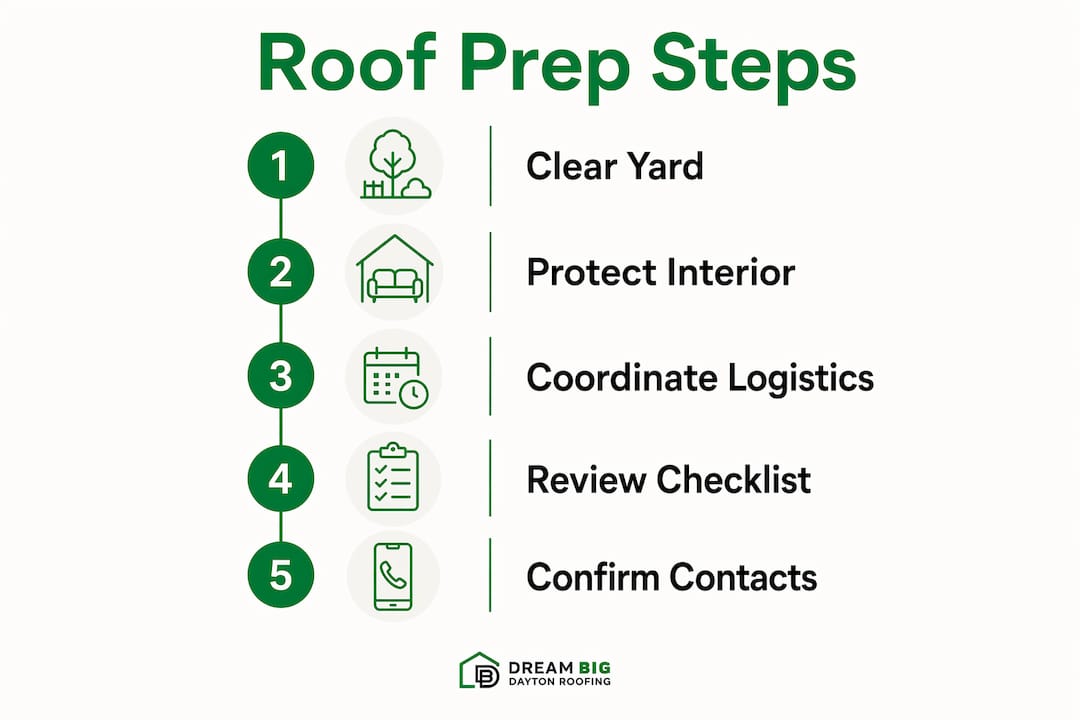
Preparing for roof installation means clearing your property, securing valuables, coordinating logistics with your contractor, and planning for safety before the crew ever sets foot on your home. Done right, this preparation protects your belongings, speeds up the job, and prevents costly misunderstandings. Most homeowners underestimate how much groundwork falls on their side of the project. The steps below cover everything from your driveway to your attic, so your roofing crew can work efficiently and you can avoid the surprises that derail projects.
How to prepare for roof installation: your yard and exterior checklist
Your yard is the first place a roofing crew needs to work, and it is also the easiest place for damage to happen if you have not cleared it properly. The goal is to give the crew unobstructed access and protect anything that cannot be moved quickly once the job starts.
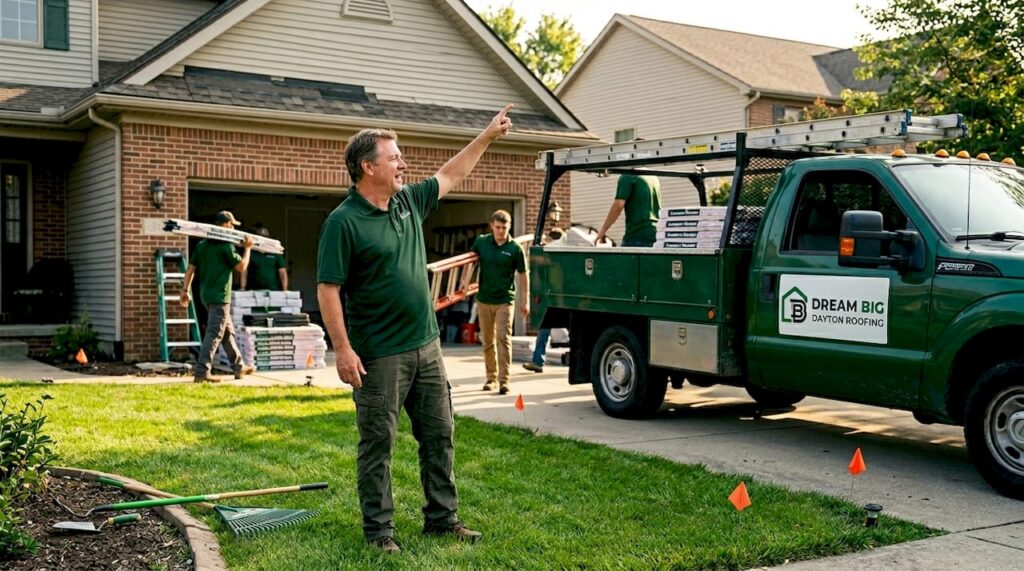
Start with your vehicles. Park cars on the street the night before installation, not the morning of. Delivery trucks for materials often arrive early, and a blocked driveway creates immediate delays. Falling debris from a tear-off can also damage a vehicle parked too close to the home.
Next, focus on clearance. Maintain at least 15 feet of open space around the perimeter of your home. That means moving patio furniture, potted plants, grills, children’s play equipment, and any decorative yard items. Anything left in that zone risks being hit by falling shingles or tools.
Here is a practical exterior checklist to work through the day before installation:
- Move all vehicles off the driveway and into the street or a neighbor’s driveway
- Remove or cover patio furniture, outdoor rugs, and grills
- Relocate potted plants, garden statues, and decorative items
- Mark fragile sprinkler heads, garden ponds, and delicate plantings with flags or stakes so the crew can see them
- Unlock side gates and any fenced areas the crew may need to access
- Cut your grass short before the job starts. Short grass makes it far easier to spot and collect stray nails after the project wraps up.
Pro Tip: Flag your sprinkler heads with bright orange landscaping flags the day before. Roofing crews move fast, and a broken sprinkler head is an easy and avoidable repair bill.
If you share a driveway with a neighbor or the crew needs access through their property for debris removal, have that conversation before installation day. Surprises on the morning of the job create friction that slows everyone down.
What interior prep steps protect your home during installation?
The noise and vibration from a roof installation travel through the entire structure of your home. Most homeowners focus entirely on the exterior and then discover cracked picture frames or dusty attic contents after the fact.

Fragile items like mirrors, framed photos, and collectibles are at real risk from installation vibrations. Walk through your upper floors and remove anything hanging on walls or sitting on shelves without a secure base. This takes about 30 minutes and prevents damage that would cost far more to fix.
Your attic deserves specific attention. Cover stored items with tarps or drop cloths before the crew arrives. Dust and small debris can fall through gaps during the tear-off phase, and anything left uncovered in the attic is fair game for contamination. If you store anything valuable up there, move it to a lower floor entirely.
Here is what to address inside your home before the crew arrives:
- Remove framed pictures, mirrors, and wall-mounted decorations from upper floors
- Cover or relocate fragile collectibles, glassware, and electronics near exterior walls
- Lay tarps or drop cloths over attic storage and any items in the garage below the roofline
- Arrange care for pets. Roof installation noise and debris cause significant stress for animals, and stray nails in the yard pose a real injury risk. Board pets offsite or keep them in a secure interior room away from exterior doors.
- Talk to children in the home about staying away from the work zone. The perimeter of the house is off-limits during installation.
- If you have a satellite dish or antenna on the roof, confirm with your contractor whether it will be removed and reinstalled, and plan for a temporary service interruption.
Pro Tip: Take a quick video walkthrough of your upper floors before the crew starts. If anything is damaged by vibration, you will have clear documentation of the pre-installation condition.
What logistical and communication steps prevent project delays?
The single most common source of roofing project conflicts is a gap between what the homeowner assumed and what the contractor planned. Closing that gap before the job starts is the most valuable thing you can do.
-
Confirm the arrival time and project scope in writing. Ask your contractor exactly when the crew will arrive, how long the job is expected to take, and what the process looks like day by day. Confirming arrival times and scope details prevents the frustration of waiting all morning for a crew that was not scheduled until afternoon.
-
Settle dumpster placement before installation day. Your contractor will bring a large roll-off dumpster for old shingles and debris. Decide in advance where it will sit. Placing it on the street requires a city permit in some Dayton neighborhoods, so check local rules early.
-
Verify that a magnetic nail sweep is in your contract. A magnetic nail sweep of your lawn, driveway, and perimeter is a safety-critical task that should be explicitly listed in your contract scope. Nail debris left behind can injure people, pets, and puncture tires. Do not assume it is included. Ask directly.
-
Discuss how unexpected deck damage will be handled. Once the old shingles come off, the crew may find rotted or damaged decking underneath. Written contracts covering deck repair contingencies prevent disputes over surprise costs. Agree on a per-sheet price for deck repairs before work begins.
-
Notify your neighbors. Inform adjacent homeowners about the noise, debris, and any shared driveway use at least 24 hours in advance. This is a courtesy that prevents complaints and keeps the project running smoothly.
Pro Tip: Ask your contractor for an emergency contact number for the crew foreman, not just the office. If something unexpected comes up mid-project, you want to reach someone who is actually on site.
How to avoid the most common preparation mistakes
Even homeowners who plan carefully tend to miss a few things. These are the errors that cause the most friction on installation day.
- Waiting until the morning of to move vehicles. Material delivery trucks often arrive before 7 a.m. A car still in the driveway at that hour creates an immediate problem. Move vehicles the night before without exception.
- Forgetting to check clearance areas a second time. Walk the perimeter the evening before installation and again the morning of. Items get moved back into the work zone without anyone noticing.
- Leaving pets unsecured. A dog that slips out a side gate during the commotion of a roofing job is a genuine safety risk. Arrange offsite boarding or keep pets in a room with a closed door and a note on it.
- Skipping the post-installation yard inspection. After the crew leaves, walk the entire yard, driveway, and street edge yourself. Look for stray nails, shingle fragments, and debris. Photographically documenting your roof condition before and after installation also gives you a clear record for insurance purposes if any issue arises later.
- Failing to communicate changes promptly. If your schedule changes or you discover something the contractor needs to know, call immediately. Waiting until the morning of the job to raise a concern almost always causes delays.
A good roof installation checklist reviewed 48 hours before the job starts catches most of these issues before they become problems.
Key takeaways
Thorough preparation for roof installation requires clearing the exterior, protecting the interior, and aligning every logistical detail with your contractor before the crew arrives.
| Point | Details |
|---|---|
| Clear vehicles the night before | Move cars to the street before crew arrival to prevent delays and debris damage. |
| Maintain 15-foot exterior clearance | Remove furniture, plants, and yard items from the full perimeter of the home. |
| Protect interior from vibration | Take down wall décor and cover attic storage before the tear-off begins. |
| Verify nail sweep in contract | Confirm magnetic nail cleanup is explicitly listed in your contract scope. |
| Communicate logistics in writing | Confirm arrival times, dumpster placement, and deck repair costs before installation day. |
What I have learned from watching homeowners prepare for roofing projects
Most of the preparation stress I see comes from one source: homeowners treat roof installation like a service appointment rather than a construction project. A plumber shows up, fixes the pipe, and leaves. A roofing crew shows up with a dumpster, a delivery truck, a team of workers, and a full day of loud, physical work. The two experiences are not comparable.
The homeowners who have the smoothest projects are the ones who start preparing three to four days out, not the night before. They walk the property with a checklist, they call the contractor to confirm logistics, and they have already talked to their neighbors. By the time the crew arrives, there is nothing left to figure out.
The detail I see overlooked most often is the attic. People clear the yard perfectly and forget entirely that vibration travels through the structure. I have seen framed photos fall off walls two rooms away from the work zone. A 20-minute attic walkthrough with a tarp prevents that entirely.
One more thing worth saying directly: do not skip the post-installation inspection. Walk the yard yourself after the crew leaves. Contractors do their best, but a stray nail in the grass is easy to miss and easy to find if you are looking for it. Your Dayton roof inspection guide can help you know exactly what to look for once the new roof is in place.
Preparation is not glamorous work. But it is the difference between a roofing project that goes smoothly and one that generates a week of follow-up calls.
— Henry
How Dreambigdaytonroofing makes your roof installation easier

Dreambigdaytonroofing guides Dayton homeowners through every step of the roofing process, from the first consultation to the final nail sweep. The team confirms logistics, arrival times, and scope in writing before the job starts, so there are no surprises on installation day. Certified crews perform thorough post-installation cleanup, including a full magnetic nail sweep of your property. If you have questions before, during, or after your project, a dedicated point of contact is available throughout. Ready to get started? Request a free estimate from Dreambigdaytonroofing and get expert preparation guidance built into your project from day one.
FAQ
How far in advance should I prepare for roof installation?
Start your preparation three to four days before the scheduled installation date. This gives you time to move vehicles, clear the yard, protect interior items, and confirm all logistics with your contractor without rushing.
Do I need to be home during roof installation?
You do not need to be home for the entire project, but you should be available by phone. Confirm an emergency contact number for the crew foreman so any on-site decisions can be made quickly without delays.
What should I do with my pets during roof installation?
Keep pets indoors or arrange offsite boarding for the duration of the project. Installation noise causes significant stress for animals, and stray nails in the yard pose a direct injury risk.
Is a magnetic nail sweep included in every roofing contract?
Not automatically. A magnetic nail sweep should be explicitly listed in your contract scope. Ask your contractor to confirm it in writing before the job begins.
How do I prepare for a roof tear-off specifically?
Preparing for a roof tear-off follows the same steps as general installation prep, with extra focus on attic protection. Cover all stored items with tarps, since debris and dust fall through during the tear-off phase before new underlayment is installed.