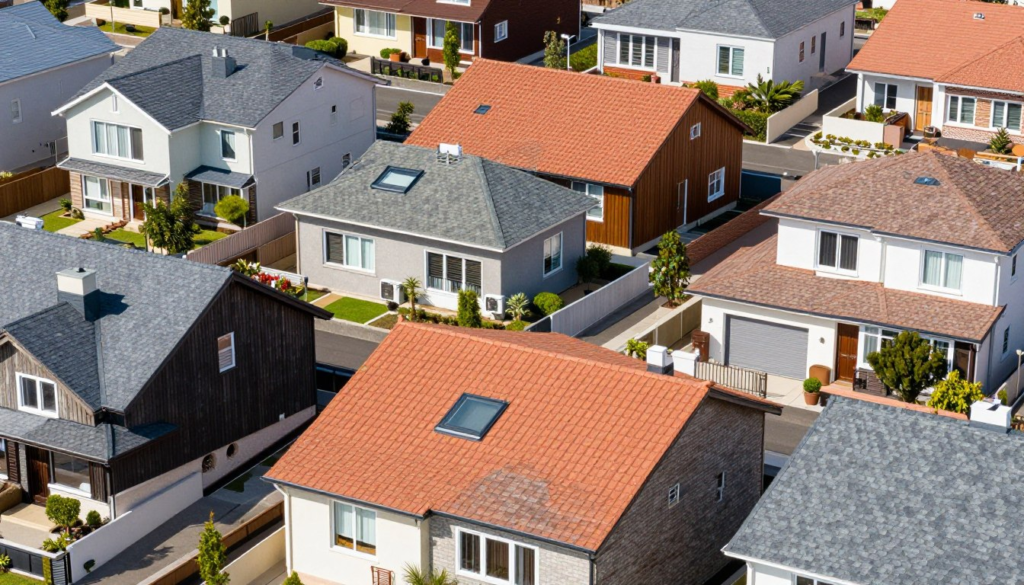
Choosing the right roofing shingles can feel overwhelming. Your roof protects your home from extreme weather and contributes significantly to curb appeal. The decision impacts your budget, home value, and peace of mind for years to come.
This comprehensive guide compares all major shingle types. You’ll learn about costs, durability, and maintenance requirements. We’ll help you match the perfect roofing materials to your specific needs.
Need Expert Roofing Guidance?
Our certified roofing professionals can assess your home and recommend the perfect shingles for your budget, climate, and style preferences. Get a free consultation today.
Understanding Roofing Shingle Basics
Roofing shingles serve as your home’s first defense against weather conditions. They overlap to create a water-resistant barrier. Different materials offer varying levels of protection and aesthetic options.
The shingles market has evolved significantly. Modern products balance durability with affordability. Manufacturers now offer warranties ranging from twenty to fifty years on quality products.
Your choice affects more than just protection. Shingles influence energy efficiency and home resale value. They represent a significant investment in your property.
Key Factors That Influence Your Decision
Several considerations should guide your selection process. Budget constraints often determine initial options. However, long-term value sometimes justifies higher upfront costs.
Climate Considerations
Your local weather patterns significantly impact material performance. Some shingles excel in specific conditions.
- High wind resistance ratings for storm-prone areas
- Heat reflection properties for hot climates
- Ice and snow load capacity for cold regions
- UV resistance for sunny locations
Budget Parameters
Cost includes both installation and long-term maintenance. Smart planning considers total ownership expenses.
- Initial material and installation costs
- Expected lifespan and replacement timeline
- Annual maintenance requirements
- Warranty coverage and protection
Aesthetic Preferences
Your roof should complement your home’s architectural style. Visual appeal enhances curb appeal substantially.
- Color options and fade resistance
- Texture and dimensional appearance
- Historical accuracy for period homes
- Neighborhood compatibility standards
Structural Requirements
Not all roofs can support every material type. Building codes impose specific requirements.
- Weight capacity of existing structure
- Roof pitch and slope requirements
- Local building code compliance
- HOA restrictions and guidelines
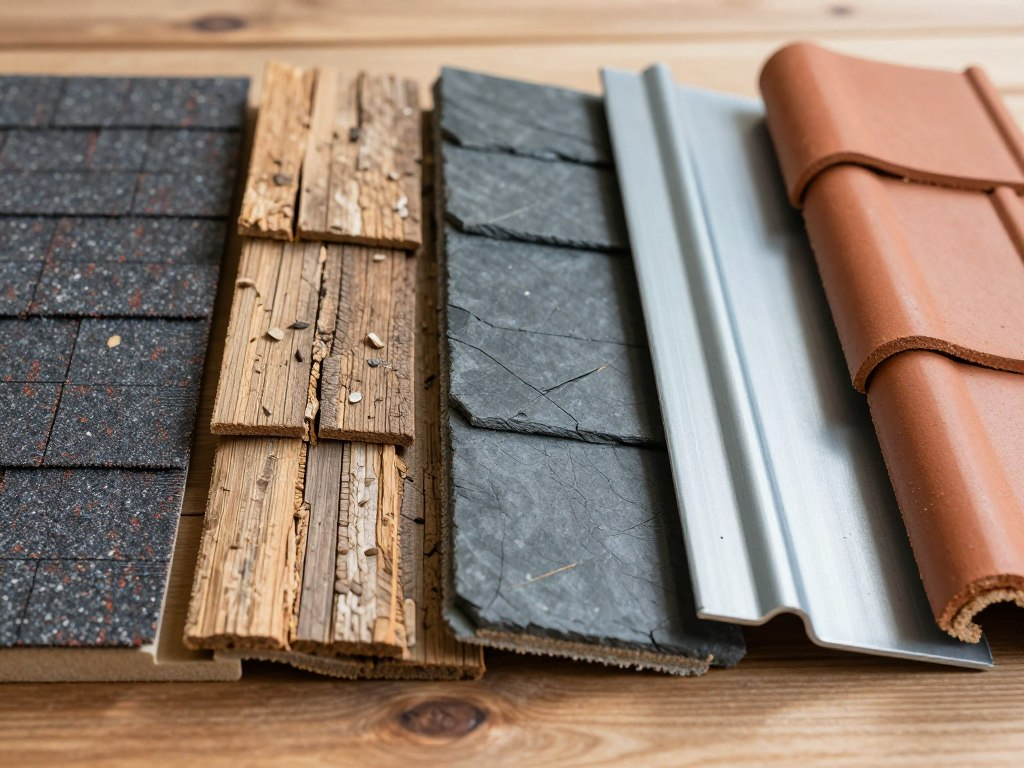
Asphalt Shingles: The Most Popular Choice
Asphalt shingles dominate the roofing market across North America. They offer excellent value and versatility. Most homeowners choose asphalt for residential projects.
These shingles consist of a fiberglass or organic mat base. Manufacturers coat them with asphalt and embed ceramic granules. The granules provide color and UV protection.
Three-Tab Asphalt Shingles
Three-tab shingles represent the most economical option. They feature a flat, uniform appearance. Each shingle has three distinct tabs visible after installation.
These lightweight products work on most roof structures. Installation is straightforward and cost-effective. Many contractors can complete projects quickly.
| Feature | Specification | Details |
| Average Cost | $90-150 per square | Most affordable roofing option |
| Lifespan | 15-20 years | Shorter than premium options |
| Wind Resistance | 60-70 mph | Adequate for most climates |
| Weight | 180-220 lbs per square | Lightweight installation |
| Warranty | 20-25 years | Limited manufacturer coverage |
Advantages
- Lowest upfront cost among all options
- Wide availability from numerous manufacturers
- Easy to install and repair
- Adequate for most climate conditions
- Many color choices available
Disadvantages
- Shorter lifespan than premium shingles
- Less wind and impact resistance
- Flat appearance lacks dimension
- More susceptible to granule loss
- Lower resale value contribution
Architectural (Dimensional) Asphalt Shingles
Architectural shingles offer superior quality and appearance. They feature multiple layers creating a textured look. This dimensional design mimics the appearance of wood or slate.
These premium asphalt products provide enhanced durability. Thicker construction resists wind and impact better. Most manufacturers back them with stronger warranties.
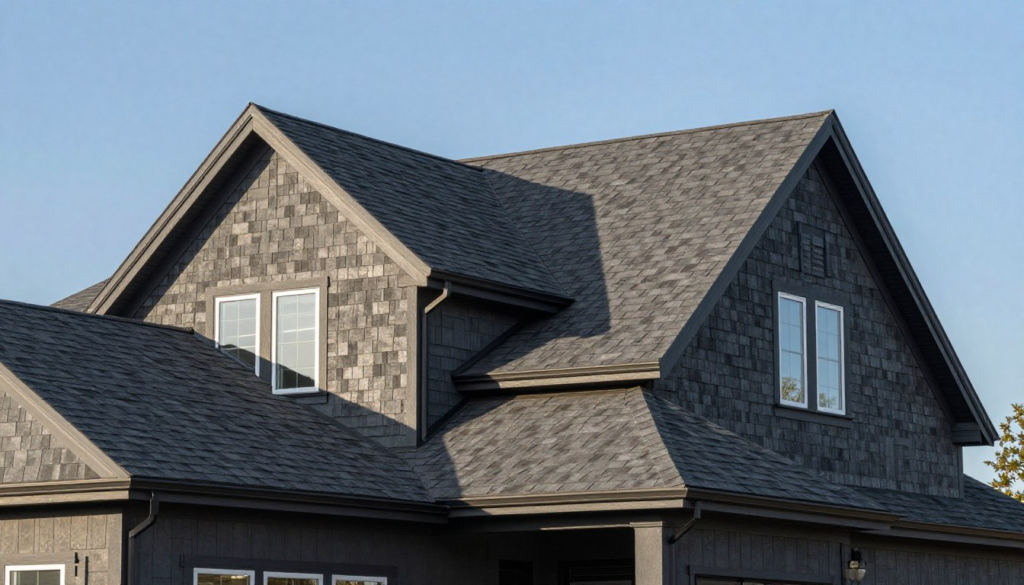
Architectural shingles represent the sweet spot for many homeowners. They balance cost with performance effectively. The enhanced curb appeal justifies the moderate price increase.
Most products in this category carry Class A fire ratings. They meet stringent impact resistance standards. Wind resistance typically reaches ninety to one hundred thirty miles per hour.
Expert Tip: Architectural asphalt shingles offer the best value proposition for most homes. They cost only twenty to thirty percent more than three-tab options but last significantly longer and dramatically improve appearance.
| Feature | Specification | Details |
| Average Cost | $150-250 per square | Mid-range investment |
| Lifespan | 25-30 years | Extended durability |
| Wind Resistance | 90-130 mph | Superior storm protection |
| Weight | 280-350 lbs per square | Heavier than three-tab |
| Warranty | 30-50 years | Lifetime options available |
Advantages
- Excellent balance of cost and performance
- Enhanced dimensional appearance
- Superior wind and impact resistance
- Longer lifespan than basic shingles
- Better warranty coverage
- Wide variety of colors and styles
Disadvantages
- Higher initial cost than three-tab
- Heavier weight requires adequate support
- More complex installation process
- Premium products significantly increase price
Choosing Between Asphalt Shingle Types?
Our roofing experts can evaluate your home’s specific needs and recommend whether three-tab or architectural shingles offer better value for your situation. Get personalized advice with no obligation.
Metal Shingles: Modern Durability
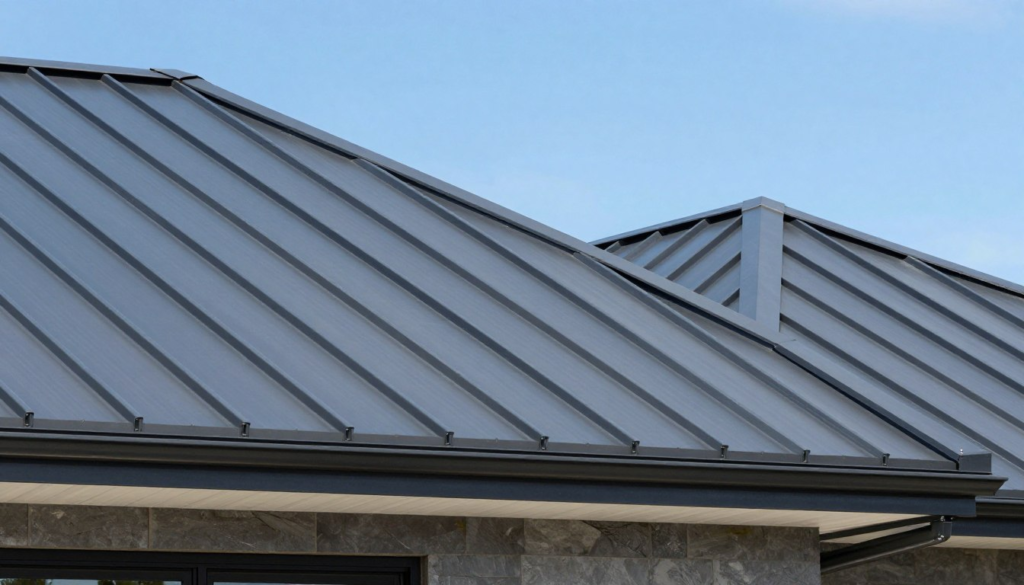
Metal roofing has gained popularity among homeowners seeking longevity. These systems offer exceptional durability and energy efficiency. Metal shingles come in various materials and styles.
Modern metal products mimic traditional roofing materials beautifully. Manufacturers create convincing wood shake and slate appearances. The performance advantages often outweigh aesthetic compromises.
Steel Metal Shingles
Steel shingles provide excellent strength at reasonable cost. Galvanized or galvalume coatings prevent rust. These products resist extreme weather exceptionally well.
The material handles high winds and heavy snow loads. Impact resistance protects against hail damage. Fire resistance earns the highest safety ratings.
Aluminum Metal Shingles
Aluminum offers superior corrosion resistance. This makes it ideal for coastal environments. The lightweight material reduces structural stress.
Salt air doesn’t affect aluminum performance. The material won’t rust over time. Installation on older structures proceeds without reinforcement concerns.
Copper Metal Shingles
Copper represents the premium metal roofing choice. The material develops a distinctive patina over years. This natural aging process enhances visual appeal.
Copper roofs can last over one hundred years. No coating or painting is ever required. The upfront investment pays dividends through extreme longevity.
| Metal Type | Cost per Square | Lifespan | Best Application |
| Steel | $350-550 | 40-70 years | General residential use |
| Aluminum | $450-700 | 50+ years | Coastal properties |
| Copper | $1,400-2,000 | 100+ years | Historic or luxury homes |
| Zinc | $1,000-1,600 | 80-100 years | Premium installations |
Advantages
- Exceptional longevity ranging from forty to over one hundred years
- Superior wind resistance up to one hundred forty miles per hour
- Excellent energy efficiency reflecting solar heat
- Fire resistant with Class A ratings
- Lightweight compared to tile or slate
- Environmentally friendly and recyclable
- Minimal maintenance requirements
Disadvantages
- High initial installation cost
- Can be noisy during rain or hail
- Denting possible with severe hail impact
- Specialized installation expertise required
- May not suit traditional home styles
- Color options more limited than asphalt
Energy Savings Note: Metal roofing can reduce cooling costs by ten to twenty-five percent. Reflective coatings minimize heat absorption. Many utility companies offer rebates for metal roof installation.
Wood Shingles and Shakes: Natural Beauty
Wood roofing materials offer unmatched natural beauty. Cedar remains the most popular choice. The organic appearance complements many architectural styles.
Wood shingles differ from shakes in manufacturing process. Shingles are sawn smooth on both sides. Shakes are split, creating a more rustic texture.
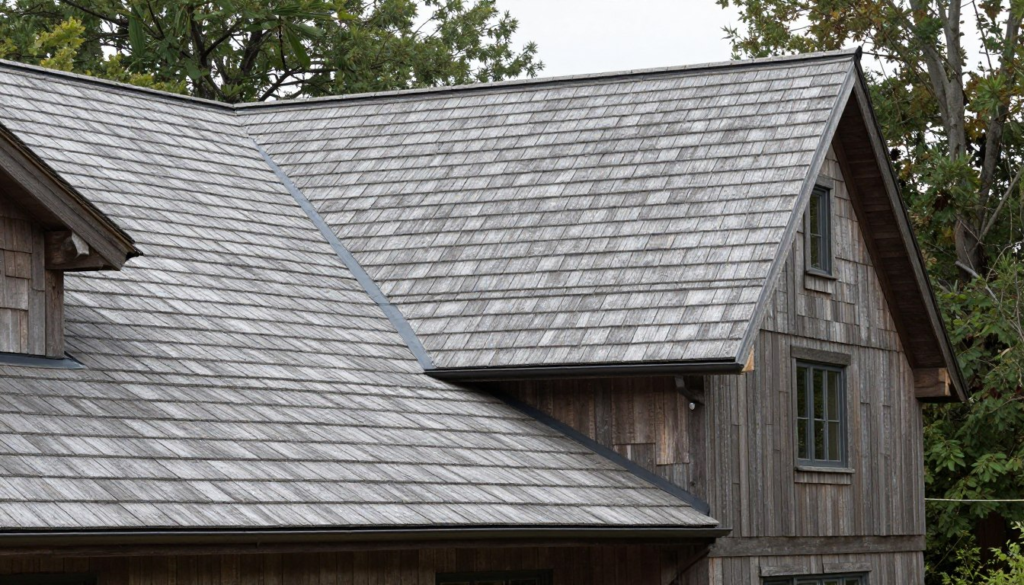
Both options provide natural insulation properties. Wood breathes, allowing moisture to escape. This natural ventilation extends roof deck life.
Cedar Wood Shingles
Cedar wood shingles feature smooth, uniform surfaces. Sawing produces consistent thickness and appearance. The refined look suits traditional home designs.
Cedar contains natural oils resisting decay and insects. These preservative properties extend lifespan naturally. Regular maintenance keeps them looking beautiful for decades.
Cedar Wood Shakes
Cedar shakes offer more pronounced texture and character. Hand-splitting or sawing creates varied thickness. The rustic appearance enhances cottage and craftsman styles.
Shakes provide slightly better insulation than shingles. Thicker profiles create more dead air space. This natural insulation reduces energy costs.
| Feature | Wood Shingles | Wood Shakes |
| Average Cost | $450-650 per square | $500-700 per square |
| Lifespan | 25-30 years | 30-40 years |
| Appearance | Smooth, uniform | Rustic, textured |
| Installation | Moderate complexity | More complex |
| Maintenance | High – regular treatment | High – regular treatment |
Advantages
- Exceptional natural beauty and character
- Natural insulation properties
- Biodegradable and environmentally sustainable
- Can be repaired in sections easily
- Ages gracefully with attractive patina
- Excellent for historic restoration projects
Disadvantages
- Higher cost than asphalt shingles
- Requires regular maintenance and treatment
- Susceptible to rot, mold, and insect damage
- Lower fire resistance without treatment
- Banned in some fire-prone areas
- Can split or crack in extreme weather
- Color fades and changes over time
Fire Safety Warning: Wood roofing materials may be prohibited in wildfire-prone regions. Check local building codes before selecting wood shingles or shakes. Fire-retardant treatments are available but require periodic reapplication.
Slate Shingles: Timeless Elegance
Slate roofing represents the pinnacle of durability and beauty. Natural stone slabs provide unmatched longevity. These roofs commonly last over one hundred years.
The material comes from quarries worldwide. Different regions produce varying colors and qualities. Premium slate exhibits consistent thickness and minimal imperfections.
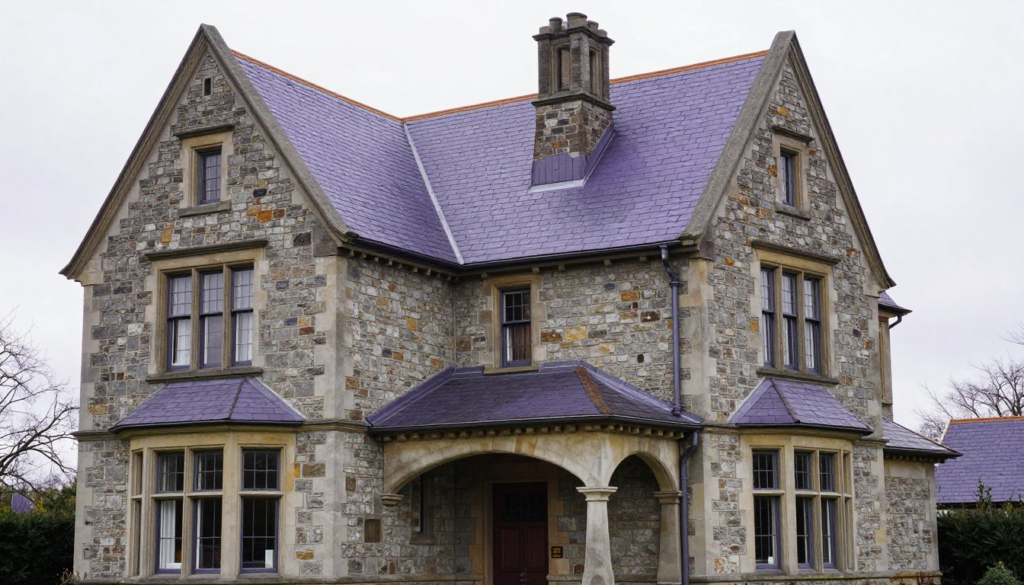
Slate shingles offer incredible resistance to extreme weather. The dense stone withstands severe impacts. Fire cannot damage the natural material.
Types of Slate Quality
Soft slate provides the most affordable option. It typically lasts fifty to one hundred twenty-five years. The material comes from specific quarries known for softer composition.
Hard slate represents premium quality with extended lifespan. These products can endure for over two hundred years. The denser composition resists weathering more effectively.
| Slate Type | Cost per Square | Expected Lifespan | Characteristics |
| Soft Slate | $1,000-1,500 | 50-125 years | More affordable, adequate durability |
| Hard Slate | $1,500-3,000 | 75-200+ years | Premium quality, exceptional longevity |
| Architectural Grade | $2,000-4,000 | 100-200+ years | Consistent color, uniform thickness |
Advantages
- Unmatched lifespan exceeding one hundred years
- Timeless beauty that never goes out of style
- Virtually fireproof natural stone
- Resistant to rot, insects, and mold
- Adds significant value to property
- Environmentally sustainable natural material
- Minimal maintenance requirements
- Excellent weather resistance
Disadvantages
- Extremely high initial cost
- Very heavy requiring structural reinforcement
- Complex installation requiring specialists
- Brittle material can break under foot traffic
- Difficult and expensive to repair
- Limited contractor availability
- May require roof structure modifications
Investment Perspective: While slate costs five to ten times more than asphalt shingles initially, the lifespan justifies the investment for many homeowners. A slate roof may be the last roof your home ever needs.
Considering Premium Roofing Materials?
Our structural engineers can assess whether your home can support heavy materials like slate or tile. We’ll provide honest recommendations and accurate cost estimates for your roofing project.
Tile Shingles: Mediterranean Charm
Tile roofing brings distinctive character to homes. These materials excel in hot, sunny climates. The thermal mass regulates temperature naturally.
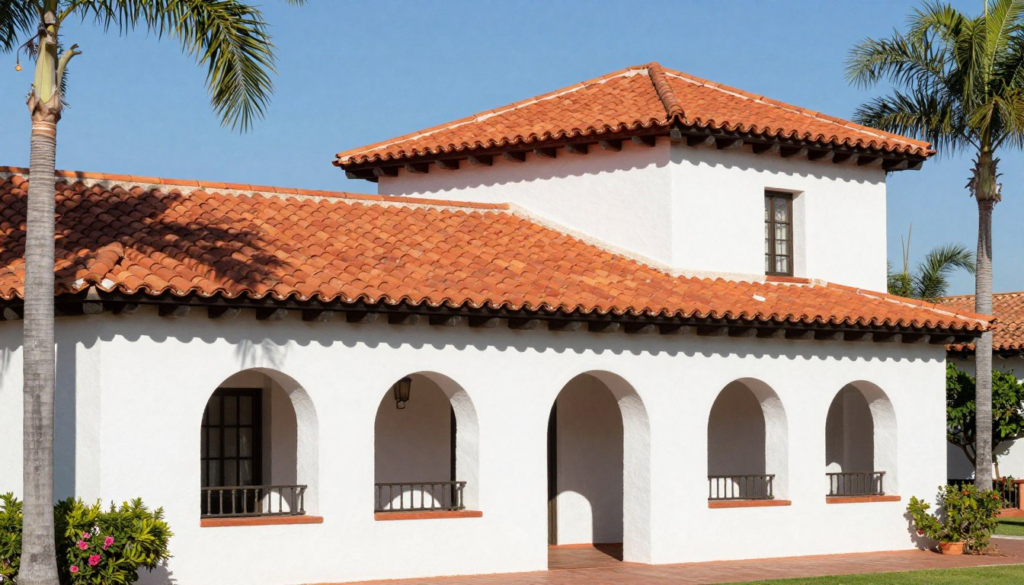
Two primary tile types dominate the market. Clay tiles offer traditional Mediterranean aesthetics. Concrete tiles provide similar appearance at lower cost.
Clay Tile Shingles
Clay tiles have protected homes for thousands of years. The fired ceramic material resists extreme weather beautifully. Natural colors range from terracotta to earth tones.
These products maintain color permanently without fading. The material breathes, allowing moisture escape. Clay tiles reflect heat effectively in hot climates.
Traditional barrel tiles create the iconic Spanish look. Flat tiles suit contemporary designs better. Interlocking designs improve wind resistance and installation efficiency.
Concrete Tile Shingles
Concrete tiles mimic clay appearance affordably. Modern manufacturing achieves realistic textures and colors. The material provides similar durability at reduced cost.
These products can replicate various styles. Some simulate wood shakes convincingly. Others match slate or clay tile aesthetics.
Concrete tiles offer excellent longevity and protection. The material resists fire, insects, and rot. Proper installation ensures decades of reliable performance.
| Feature | Clay Tiles | Concrete Tiles |
| Average Cost | $800-1,800 per square | $400-900 per square |
| Lifespan | 50-100+ years | 40-75 years |
| Weight | 850-950 lbs per square | 900-1,100 lbs per square |
| Color Retention | Permanent natural color | May fade over time |
| Energy Efficiency | Excellent thermal properties | Good thermal mass |
| Fire Resistance | Class A rating | Class A rating |
Advantages
- Exceptional longevity of fifty to over one hundred years
- Distinctive architectural character
- Excellent energy efficiency in hot climates
- Class A fire resistance rating
- Minimal maintenance requirements
- Resistant to rot, insects, and decay
- Environmentally friendly natural materials
- Significantly increases home value
Disadvantages
- Very high initial investment cost
- Extremely heavy requiring reinforcement
- Can crack or break under impact
- Complex installation process
- Expensive individual tile replacement
- Not suitable for low-slope roofs
- Limited availability in some regions
Climate Consideration: Tile roofing performs exceptionally in hot, dry climates but may not suit freeze-thaw regions. Water absorption and expansion can cause cracking in cold weather. Always verify material suitability for your local conditions.
Composite Synthetic Shingles: Innovation
Composite shingles represent modern engineering advances. Manufacturers combine various materials for optimal performance. These products mimic natural materials convincingly.
The technology continues advancing rapidly. New formulations improve durability and appearance. Synthetic options address natural material limitations effectively.
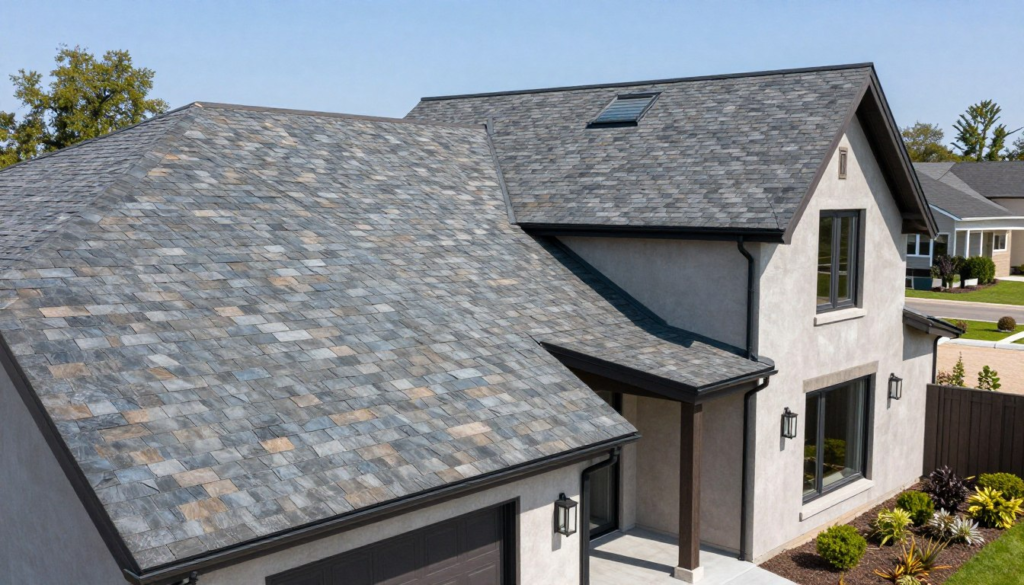
Most composite products use recycled materials. Rubber, plastic, and cellulose fiber combine strategically. The environmental benefits appeal to eco-conscious homeowners.
Synthetic Slate and Shake
Advanced composites replicate slate and wood remarkably well. Visual inspection often cannot distinguish them. The performance advantages eliminate natural material concerns.
These products weigh significantly less than originals. Installation proceeds faster with standard techniques. The lower cost makes premium aesthetics accessible.
| Feature | Specification | Details |
| Average Cost | $400-900 per square | Mid to upper-range pricing |
| Lifespan | 30-50 years | Extended durability |
| Weight | 250-400 lbs per square | Lighter than natural materials |
| Impact Resistance | Class 4 available | Superior hail protection |
| Wind Resistance | 110-190 mph | Excellent storm performance |
| Fire Rating | Class A | Highest safety classification |
Advantages
- Realistic replication of premium materials
- Significantly lighter than natural counterparts
- Lower cost than slate or cedar
- Superior impact and weather resistance
- Minimal maintenance requirements
- Often made from recycled materials
- Easier installation than heavy materials
- Consistent quality without natural defects
Disadvantages
- More expensive than basic asphalt
- Newer technology with shorter track record
- May not match natural material authenticity
- Quality varies significantly between manufacturers
- Some products fade over time
- Limited color selection compared to asphalt
Quality Variation: Composite shingle quality varies dramatically between manufacturers. Research company reputation and warranty terms carefully. Premium synthetic products often outperform budget options significantly.
Critical Factors for Choosing Roofing Shingles
Several key considerations should guide your roofing material selection. Understanding these factors helps narrow appropriate options. Your specific circumstances determine the best choice.
Climate and Weather Conditions
Local weather patterns profoundly impact material performance. Different shingles excel under specific conditions. Matching material to climate ensures optimal longevity.
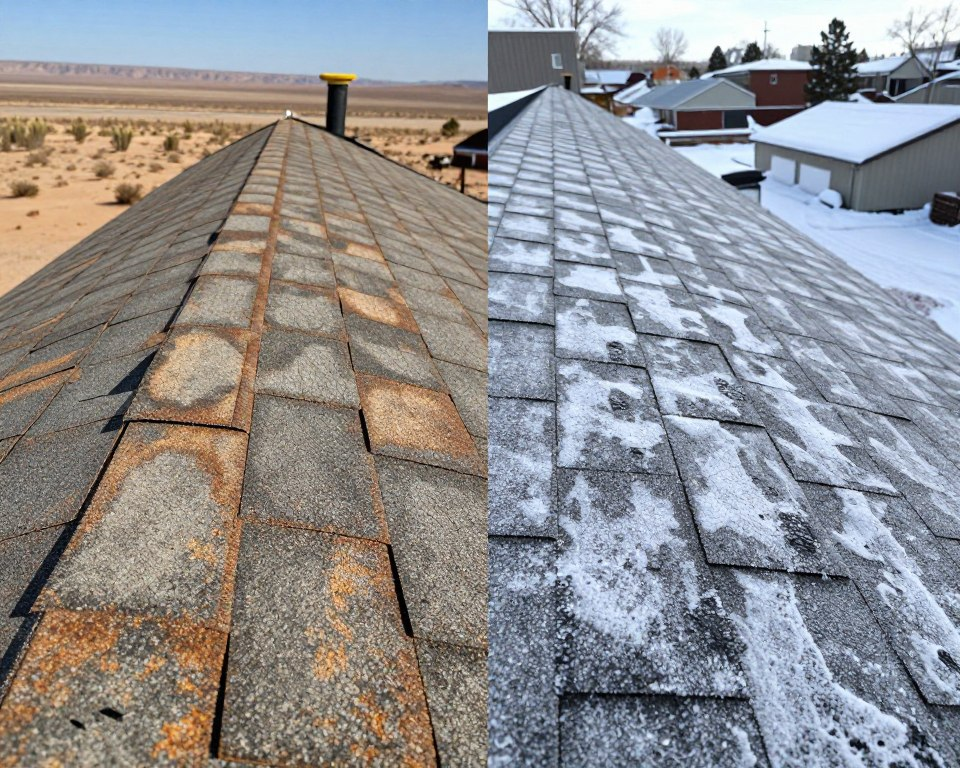
- High solar reflectivity
- UV resistance ratings
- Heat dissipation properties
- Light color options
- Thermal expansion tolerance
- Ventilation compatibility
Hot Climate Priorities
- Ice dam resistance
- Freeze-thaw durability
- Snow load capacity
- Wind uplift resistance
- Proper underlayment systems
- Moisture barrier effectiveness
Cold Climate Priorities
- High wind resistance ratings
- Impact resistance class
- Hail damage protection
- Secure fastening systems
- Hurricane rating compliance
- Water penetration prevention
Storm-Prone Area Priorities
Wind resistance becomes critical in hurricane zones. Look for products rated to one hundred thirty miles per hour minimum. Impact resistance protects against hail in susceptible regions.
Heavy snowfall requires adequate load capacity. Some lightweight materials handle snow better than expected. Consult structural engineers for heavy material installations.
Budget Considerations and Total Cost
Roofing represents a significant home investment. Understanding total costs prevents surprises. Consider both immediate and long-term expenses.
| Material Type | Initial Cost | Lifespan | Annual Cost | Total 50-Year Cost |
| 3-Tab Asphalt | $5,000-7,000 | 15-20 years | $300-350 | $15,000-17,500 |
| Architectural Asphalt | $8,000-12,000 | 25-30 years | $300-400 | $16,000-24,000 |
| Metal Roofing | $15,000-28,000 | 40-70 years | $250-400 | $15,000-28,000 |
| Wood Shingles | $18,000-25,000 | 25-30 years | $650-850 | $32,500-42,500 |
| Slate | $40,000-80,000 | 75-200+ years | $400-530 | $40,000-80,000 |
| Clay/Concrete Tile | $20,000-45,000 | 50-100+ years | $200-450 | $20,000-45,000 |
| Composite Synthetic | $16,000-35,000 | 30-50 years | $350-700 | $32,000-70,000 |
The table above assumes a typical two thousand square foot roof. Actual costs vary by location and complexity. Labor represents forty to sixty percent of total project cost.
Maintenance costs impact long-term expenses significantly. Wood shingles require regular treatments. Metal and slate need minimal ongoing investment.
Financing Options: Many roofing contractors offer financing plans. Home equity loans provide another funding avenue. Some manufacturers partner with lenders for promotional rates during specific periods.
Home Architectural Style
Roofing materials should complement home design. Certain styles demand specific materials historically. Modern homes offer more flexibility.
Colonial homes traditionally feature wood shakes or architectural shingles. Victorian designs suit slate beautifully. Mediterranean styles call for clay tile aesthetics.
Contemporary architecture accepts diverse materials. Metal roofing suits modern designs exceptionally. Composite products bridge traditional and modern aesthetics.
Roof Pitch and Slope Requirements
Roof pitch determines suitable materials. Steep roofs accommodate most options. Low slopes restrict certain choices significantly.
Flat or low-slope roofs require specialized products. Traditional shingles may not shed water adequately. Modified bitumen or membrane systems work better.
Steep pitches complicate installation logistics. Labor costs increase with dangerous working conditions. Some materials install more safely than others.
Minimum Slope Requirements: Most shingles require minimum 4:12 pitch. Wood shakes need 5:12 or steeper. Tile typically requires 4:12 minimum but performs best on steeper slopes. Always verify manufacturer specifications.
Local Building Codes and HOA Restrictions
Building codes establish minimum performance standards. Fire ratings carry particular importance. Wind resistance requirements vary by region.
Homeowner associations often mandate specific aesthetics. Color palettes may be restricted. Some communities prohibit certain materials entirely.
Historic districts impose strict requirements. Original material types must be matched. Synthetic alternatives may not receive approval.
Always verify local regulations before finalizing decisions. Permit applications require approved materials. Non-compliant installations face expensive corrections.
Confused About Which Shingle Type Fits Your Situation?
Making the right roofing decision requires balancing multiple factors. Our experienced team can evaluate your home’s specific requirements, explain your options clearly, and provide accurate cost estimates. Get expert guidance with no pressure or obligation.
Recommendations for Different Situations
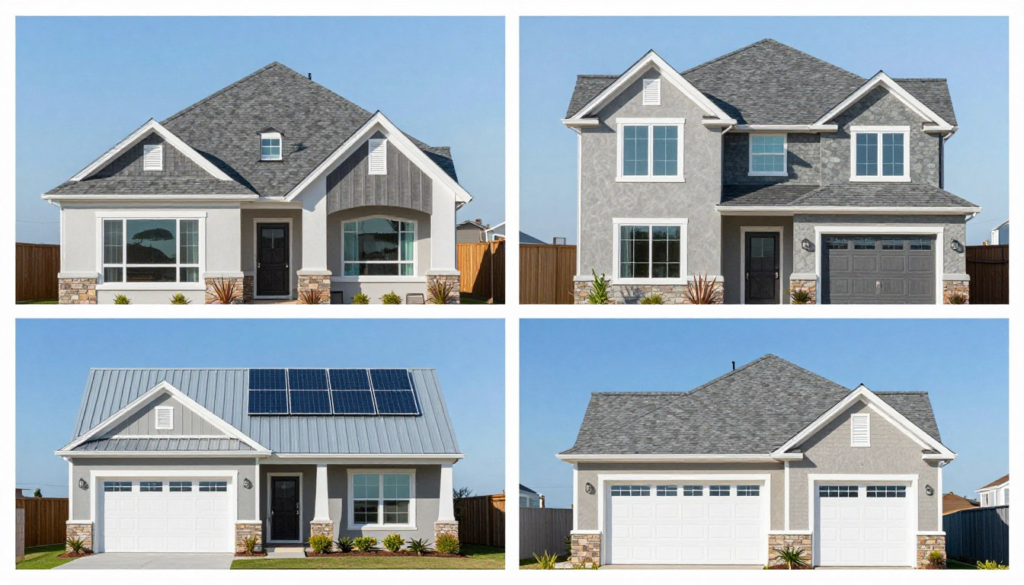
Every homeowner faces unique circumstances and priorities. These targeted recommendations help match materials to specific needs. Consider which category best describes your situation.
Best Options for Budget-Conscious Homeowners
Limited budgets shouldn’t compromise quality entirely. Smart material selection maximizes value. Consider total cost of ownership rather than just initial price.
Three-Tab Asphalt Shingles
Best for: Tight budgets requiring immediate replacement
The most affordable option providing adequate protection. Expect to replace in fifteen to twenty years. Acceptable for starter homes or rental properties.
- Lowest initial investment required
- Quick installation reduces labor costs
- Widely available from multiple manufacturers
- Adequate basic weather protection
Architectural Asphalt Shingles
Best for: Balancing cost with longevity and appearance
The sweet spot for most homeowners. Better curb appeal than three-tab options. Extended lifespan justifies modest price increase.
- Enhanced dimensional appearance
- Twenty-five to thirty year lifespan
- Improved wind and impact resistance
- Better warranty coverage
Steel Metal Roofing
Best for: Long-term value despite higher initial cost
Higher upfront investment pays dividends over decades. May be the last roof your home needs. Energy savings offset costs partially.
- Forty to seventy year lifespan
- Minimal maintenance requirements
- Energy efficient reducing cooling costs
- Excellent weather resistance
Best Options for Longevity-Focused Homeowners
Some homeowners prioritize durability above all else. These materials deliver exceptional lifespan. The investment protects your home for generations.
Natural Slate
Best for: Maximum longevity and timeless beauty
The ultimate roofing investment lasting over one hundred years. Virtually indestructible natural stone. Adds significant home value.
- Lifespan exceeding one hundred years
- Fireproof natural stone material
- Minimal maintenance needed
- Timeless aesthetic appeal
Clay or Concrete Tile
Best for: Fifty-plus year protection with distinctive style
Exceptional durability in appropriate climates. Mediterranean aesthetic enhances curb appeal. Lower maintenance than many alternatives.
- Fifty to one hundred year lifespan
- Excellent hot climate performance
- Fire resistant Class A rating
- Distinctive architectural character
Premium Metal (Aluminum or Copper)
Best for: Coastal or extreme weather locations
Superior corrosion resistance extends lifespan. Aluminum suits salt air environments. Copper develops beautiful patina over decades.
- Fifty to one hundred-plus years durability
- Excellent coastal environment performance
- Minimal maintenance requirements
- Energy efficient in all climates
Best Options for Eco-Friendly Homeowners
Environmentally conscious choices reduce home carbon footprint. Sustainable materials benefit the planet. Many options combine green credentials with performance.
- Highly recyclable at end of life
- Often contains recycled content
- Reduces cooling energy consumption
- Lasts decades reducing replacement waste
- Can accommodate solar panel installation
- Reflects rather than absorbs heat
Metal Roofing Systems
- Cedar shakes are renewable resources
- Slate is natural stone requiring no manufacturing
- Clay tiles use abundant natural materials
- Biodegradable at end of lifespan
- Low embodied energy in production
- No toxic chemicals or off-gassing
Natural Materials
- Made from recycled rubber and plastic
- Diverts waste from landfills
- Long lifespan reduces replacements
- Often recyclable at end of life
- Manufacturing uses recycled content
- Performs comparably to virgin materials
Recycled Composite Shingles
Cool Roof Initiative: Light-colored or reflective roofing materials qualify for LEED credits and energy rebates. Many utility companies offer incentives for cool roof installations. Check local programs before purchasing materials.
Best Options for Aesthetic Appeal
Curb appeal significantly impacts home value and pride of ownership. These materials deliver exceptional visual impact. Beautiful roofs transform entire home appearance.
Premium Visual Impact Materials
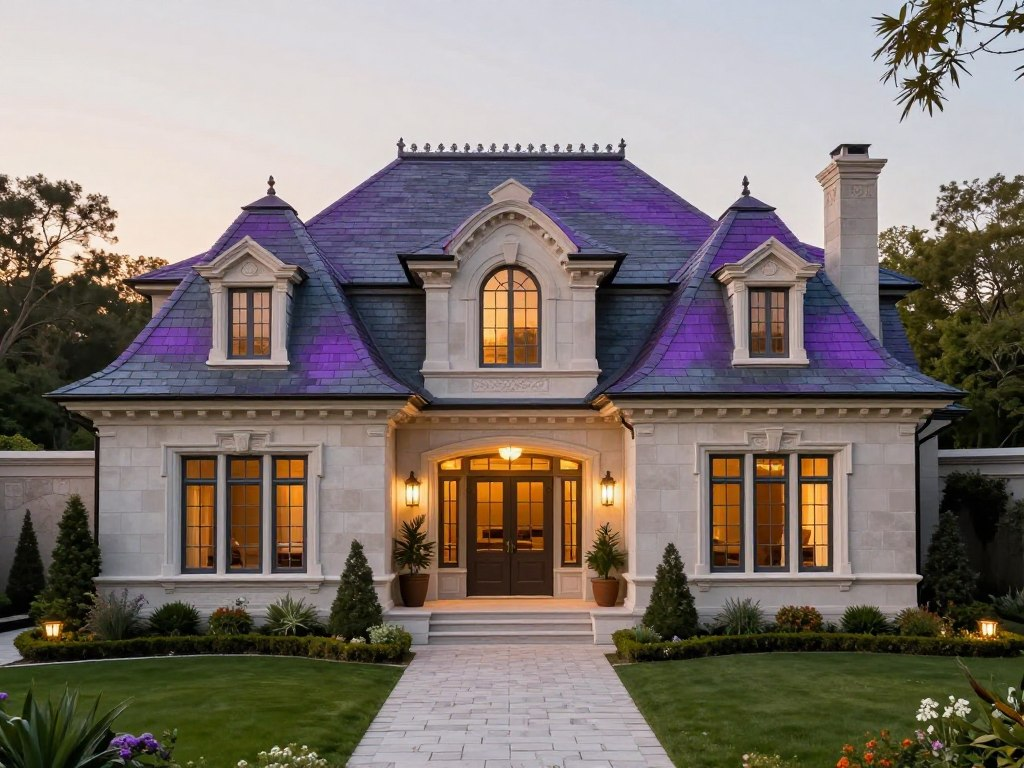
Natural slate provides unmatched elegance and character. Each piece displays unique colors and textures. The dimensional appearance creates sophisticated depth.
Clay tiles deliver distinctive Mediterranean charm. Traditional barrel shapes create iconic style. Modern flat designs suit contemporary architecture beautifully.
Cedar shakes offer organic warmth and texture. The natural material ages gracefully. Rustic character complements cottage and craftsman styles.
Best Options for Storm-Prone Regions
Extreme weather demands robust materials. Hurricane and tornado zones require special consideration. Impact resistance protects against hail damage.
| Material | Wind Rating | Impact Class | Hail Resistance |
| Impact-Resistant Asphalt | 130 mph | Class 4 | Excellent |
| Metal Roofing | 140 mph | Varies | Very Good |
| Concrete Tile | 125 mph | Class 3-4 | Excellent |
| Composite Synthetic | 110-190 mph | Class 4 | Superior |
Class four impact resistance provides the highest protection. These products withstand two-inch hail impacts. Many insurance companies offer premium discounts.
Proper installation matters as much as material choice. Correct fastening prevents wind uplift. Enhanced underlayment adds extra protection layers.
Working With Professional Contractors
Selecting quality materials represents only part of success. Professional installation ensures optimal performance. Contractor choice impacts project outcome significantly.
Choosing Qualified Roofing Contractors
Verify contractor licensing and insurance coverage. Request proof of workers compensation insurance. Liability coverage protects you from accidents.
Check references from recent similar projects. Online reviews provide additional insights. Better Business Bureau ratings indicate reliability.
Obtain multiple detailed quotes for comparison. Low bids sometimes indicate cut corners. Extremely high prices don’t guarantee quality.
- Local company with established reputation
- Proper licensing and insurance documentation
- Manufacturer certifications for premium products
- Detailed written estimates and contracts
- References from recent similar projects
- Clear warranty information
Green Flags
- Requires full payment before starting
- Pressure tactics or limited-time offers
- No physical business address
- Reluctant to provide references
- Vague or incomplete quotes
- No written contract offered
Red Flags
Understanding Warranties and Guarantees
Two separate warranties typically apply to roofing projects. Manufacturer warranties cover material defects. Contractor warranties address installation quality.
Material warranties range from twenty to lifetime coverage. Read terms carefully regarding prorated coverage. Some warranties require registered installation by certified contractors.
Workmanship warranties should cover at least five years. Better contractors offer ten to twenty-five year guarantees. Get all warranty terms in writing.
Warranty Transfer: If you sell your home, check whether warranties transfer to new owners. Some manufacturers charge transfer fees. Transferable warranties add value to your property.
Frequently Asked Questions
How long do different roofing shingles typically last?
Lifespan varies significantly by material type. Three-tab asphalt shingles last fifteen to twenty years. Architectural asphalt shingles endure twenty-five to thirty years.
Metal roofing lasts forty to seventy years depending on material. Wood shingles provide twenty-five to thirty years with proper maintenance. Slate and tile can exceed one hundred years. Composite synthetics typically last thirty to fifty years.
Actual lifespan depends on climate, installation quality, and maintenance. Harsh weather conditions reduce longevity. Professional installation and regular maintenance maximize life expectancy.
What is the most cost-effective roofing shingle option?
Three-tab asphalt shingles offer the lowest initial cost at ninety to one hundred fifty dollars per square. However, total cost of ownership tells a different story.
Architectural asphalt shingles provide better long-term value despite higher initial cost. They last significantly longer and require fewer replacements over decades.
For maximum lifetime value, metal roofing often proves most economical. The higher upfront investment is offset by forty-plus year lifespan and minimal maintenance. Calculate annual cost rather than just installation price.
Can I install new shingles over existing ones?
Building codes typically allow one layer of shingles over existing roofing. However, this approach has significant drawbacks homeowners should consider.
Overlaying hides potential roof deck damage. Moisture problems remain undetected. The added weight stresses the structure unnecessarily.
Complete tear-off allows inspection of underlying structure. You can address any problems before covering them. Most roofing professionals recommend full removal for best results and longest lifespan.
Do metal roofs make homes hotter in summer?
This common misconception contradicts actual performance data. Metal roofing actually reduces cooling costs compared to asphalt shingles.
Reflective metal surfaces bounce solar radiation away. Asphalt shingles absorb and hold heat longer. Metal roofs cool quickly after sunset.
Proper installation includes radiant barriers and ventilation. These components maximize energy efficiency. Many homeowners report ten to twenty-five percent cooling cost reductions with metal roofing.
How do I choose shingles for a historic home?
Historic homes require materials matching original architectural style. Research what materials were used when your home was built.
Many historic districts mandate specific materials and colors. Check with local preservation boards before purchasing. Some areas require approval for any exterior changes.
Modern synthetic alternatives can replicate historic materials convincingly. Composite slate and cedar shakes offer authentic appearance with better performance. Verify whether substitutes receive approval in your area.
What roof pitch is required for different shingle types?
Minimum pitch requirements vary by material. Most asphalt shingles require four-in-twelve pitch minimum. Wood shakes need five-in-twelve or steeper slopes.
Tile roofing typically requires four-in-twelve but performs best on steeper roofs. Metal roofing accommodates lower slopes better than most materials.
Manufacturer specifications override general guidelines. Always verify minimum pitch requirements for your specific product. Improper slope leads to water penetration and premature failure.
How does climate affect roofing material selection?
Climate represents one of the most critical selection factors. Hot sunny climates benefit from reflective materials like metal or light-colored tiles.
Cold regions with freeze-thaw cycles require materials resistant to moisture expansion. Metal and slate excel in these conditions. Wood may not be suitable for extreme cold.
Hurricane-prone areas demand high wind resistance ratings. Impact-resistant products protect against hail in susceptible regions. Always match material specifications to your local weather conditions.
Are premium roofing shingles worth the extra cost?
Premium materials justify higher costs for many homeowners. Better warranties provide peace of mind. Enhanced durability extends replacement intervals.
Superior weather resistance prevents damage in severe storms. This protection can save thousands in repair costs. Insurance companies often offer discounts for impact-resistant materials.
Improved aesthetics increase home value substantially. Quality roofing enhances curb appeal significantly. Calculate return on investment including energy savings and avoided replacement costs.
Get Your Free Roofing Consultation
Ready to make an informed decision about your roofing project? Our experienced team can assess your specific needs and recommend the best shingle options for your home, budget, and climate.
Fill out the form below to schedule your free, no-obligation consultation. We’ll provide a detailed estimate and answer all your questions about materials, installation, and warranties.
Prefer to talk now? Call our roofing experts:
Making Your Final Roofing Decision
Choosing the right roofing shingles requires balancing multiple factors carefully. Your budget, climate, home style, and long-term goals all influence the best choice. No single material suits every situation perfectly.
Asphalt shingles provide excellent value for most homeowners. Architectural varieties offer enhanced durability and appearance. They represent the sweet spot of cost and performance.
Metal roofing delivers exceptional longevity and energy efficiency. The higher initial investment pays dividends through decades of service. Consider metal for long-term value.
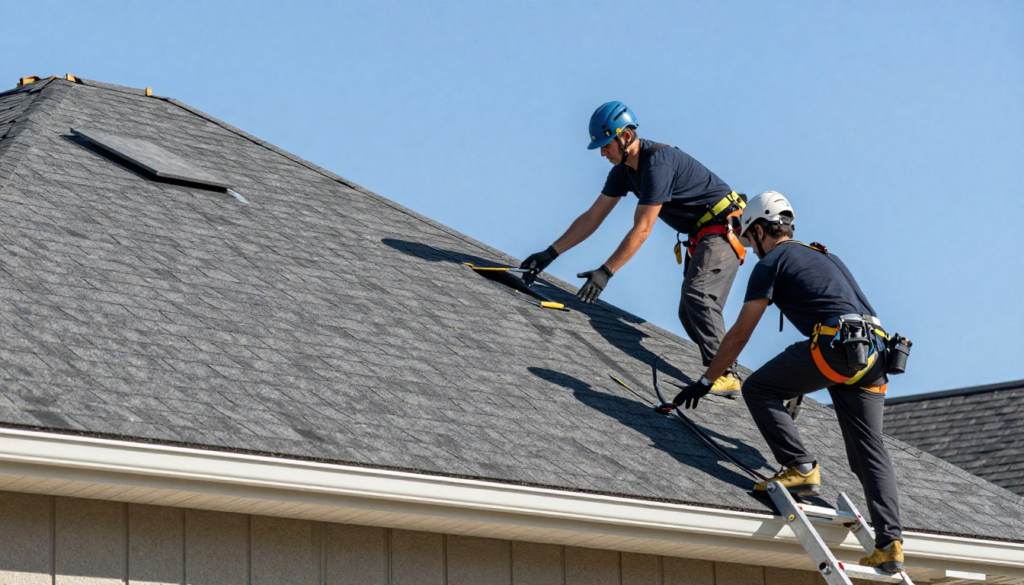
Premium materials like slate and tile suit specific aesthetic requirements. Their exceptional durability justifies substantial investment. These options excel for historic homes or luxury properties.
Wood shingles offer unmatched natural beauty with maintenance requirements. Cedar works wonderfully when appearance takes priority. Ensure local codes permit wood in your area.
Composite synthetics provide innovative solutions combining benefits. They replicate premium materials at moderate cost. Quality varies significantly between manufacturers.
Final Recommendation: Prioritize materials rated for your specific climate conditions. Choose contractors with proper licensing and solid reputations. Invest in quality installation as much as quality materials. A well-installed moderate-grade roof outperforms poorly installed premium products.
Research local contractors thoroughly before hiring. Verify credentials and check references carefully. Get multiple detailed quotes for comparison.
Understand all warranty terms before signing contracts. Both material and workmanship warranties matter. Extended coverage provides valuable protection.
Your roof protects your home and family for decades. Taking time to choose wisely pays long-term dividends. Make decisions based on complete information rather than price alone.
Ready to Start Your Roofing Project?
Partner with experienced professionals who will guide you through every step of the process. From material selection to final installation, we ensure your roofing project succeeds. Contact us today for your free consultation and detailed estimate.
The right roofing choice protects your investment and enhances your home. With proper information and professional guidance, you can select confidently. Your new roof will provide reliable protection and beautiful appearance for many years to come.